
Mold Remediation in Dallas, GA
We find the moisture feeding the mold, seal the area with containment and HEPA air filtration, remove the growth and fix the cause so it doesn't come back.
Inspection
Free
Containment
Negative air + HEPA
Standard
IICRC S520
Final step
Clearance check
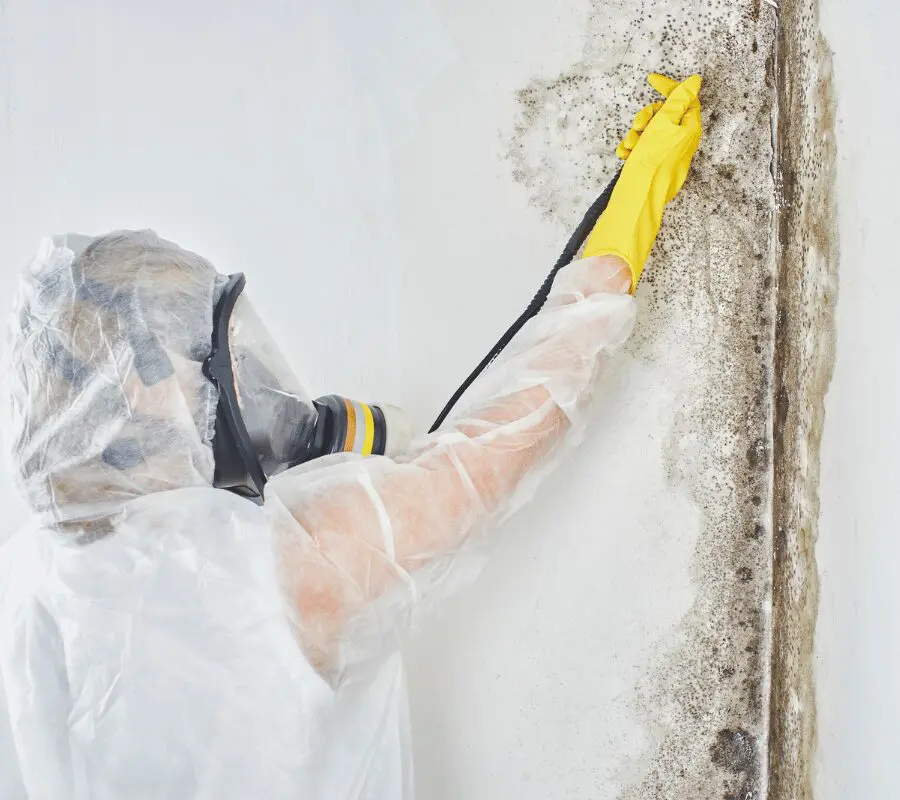
Remove the mold. Fix what's feeding it.
Mold needs moisture to grow. If you only clean what you can see, it comes back. Our IICRC-certified team finds the source, removes the growth safely and makes sure the area stays dry, for homes and businesses across Dallas, Hiram and the rest of Paulding County.
Call us if you see
- A musty smell that won't go away
- Peeling paint or warped baseboards
- A past leak that was never properly dried
- Dark spots on walls, ceilings or baseboards
- Condensation around windows or AC vents
- Allergy symptoms that ease when you leave home
What happens, step by step
You call, we book the inspection
A person answers 24/7 and schedules a free inspection at a time that works for you.
Find the mold and the moisture
We check visible growth, measure moisture and find the source feeding it. You get a written plan before any work starts.
Contain, remove, clean
We seal the area under negative air pressure, run HEPA air scrubbers, remove affected materials, then HEPA-vacuum and treat every surface.
Verify and prevent
Post-remediation testing confirms the area is clean. We fix the moisture source and, if drywall was removed, our team rebuilds it.
Request a Mold inspection
How we keep spores from spreading
Disturbing mold releases spores into the air. Containment and filtration keep them inside the work area while we remove it.
Why it matters
Containment chamber
Negative air pressure
HEPA air scrubbers
Antimicrobial treatment
Method
Plastic sheeting and zip walls seal the work area.
Air is pulled out of the chamber and filtered.
Filters capture 99.97% of particles down to 0.3 microns.
Applied to cleaned framing and surfaces.
What it is
Keeps spores out of the rest of the home.
Air flows into the work area, never out of it.
Cleans airborne spores during and after removal.
Helps prevent regrowth.
Mold Remediation Services
Our mold remediation process is thorough, fast, and designed to restore your home’s safety. We offer comprehensive services that address the root cause of mold growth and keep it from returning. Here’s a breakdown of how we help:
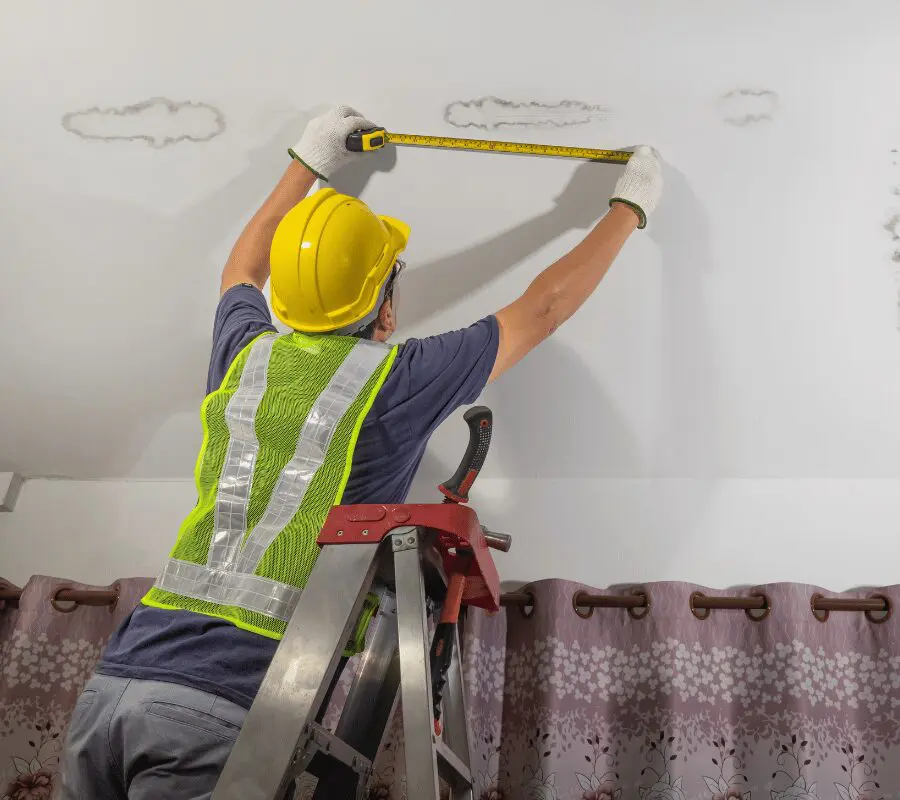
Moisture Control
Our of the most critical factors in mold growth is moisture. If moisture is not controlled, mold can return quickly. Our team assesses the source of moisture and takes steps to address it, whether it’s fixing a leak or improving ventilation. We may recommend installing dehumidifiers or improving insulation to prevent future moisture buildup.
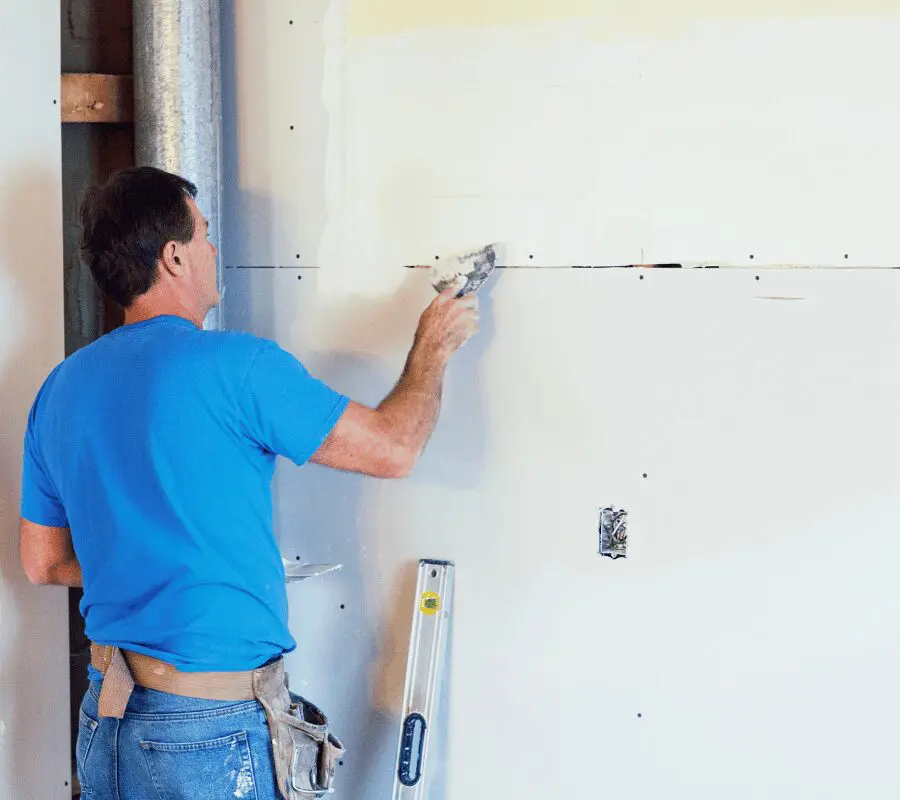
Restoration and Repair
In some cases, mold damage can cause structural damage. If drywall, flooring, or other materials have been affected, we offer restoration and repair services to bring your home back to its original state. We work quickly and efficiently to restore your home with minimal disruption.
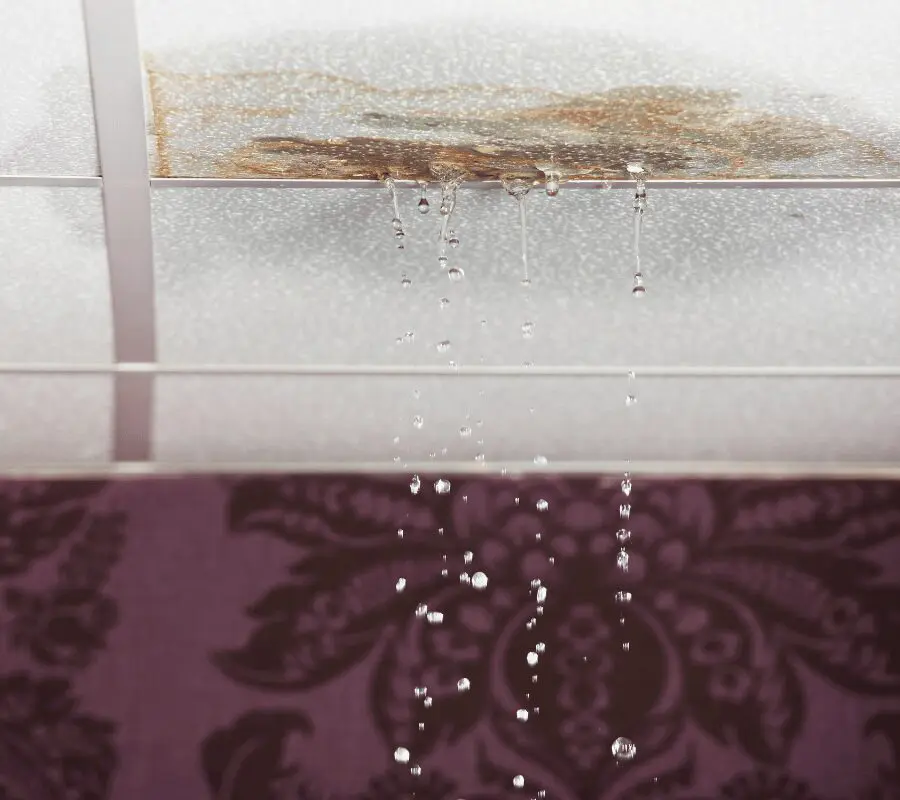
Prevention Recommendations
Once we have completed the mold removal, we do not just leave you with a clean space—we offer personalized recommendations to prevent future mold growth. Whether it is improving ventilation, sealing leaks, or changing the way you manage humidity, we ensure that you have the knowledge and tools to maintain a mold-free home in the future.
Service areas
Local to Paulding County and West Metro Atlanta
Based at 64 Lazy Water Dr in Dallas, GA. We serve homes and businesses across Paulding, Cobb, Douglas, Polk and Carroll Counties.
- Dallas
- Hiram
- Douglasville
- Powder Springs
- Rockmart
- Villa Rica
- Acworth
- Kennesaw
- Marietta
- Austell
Mold in your home right now?
Call now. We answer 24/7 and send a crew right away.
Mold remediation questions
Any mold can affect people with allergies, asthma or weak immune systems. Large areas, more than about 10 square feet, should be handled by professionals.
Bleach can lighten mold on hard surfaces but doesn't reach roots in drywall or wood, and it adds moisture. Professional removal addresses the material and the cause.
In most cases, yes. We seal the work area with a containment chamber and run HEPA air scrubbers under negative pressure so spores don't spread.
It depends on your policy and the cause. Mold from a sudden, covered water loss is often included; mold from long-term humidity or slow leaks usually isn't. We document the cause for your adjuster.